
Spotted Lanternfly in Worcester: Why It Matters and How to Stop It
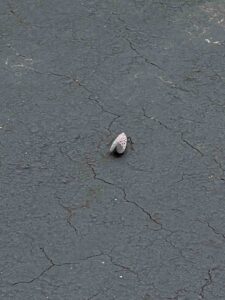
What Is a Spotted Lanternfly?
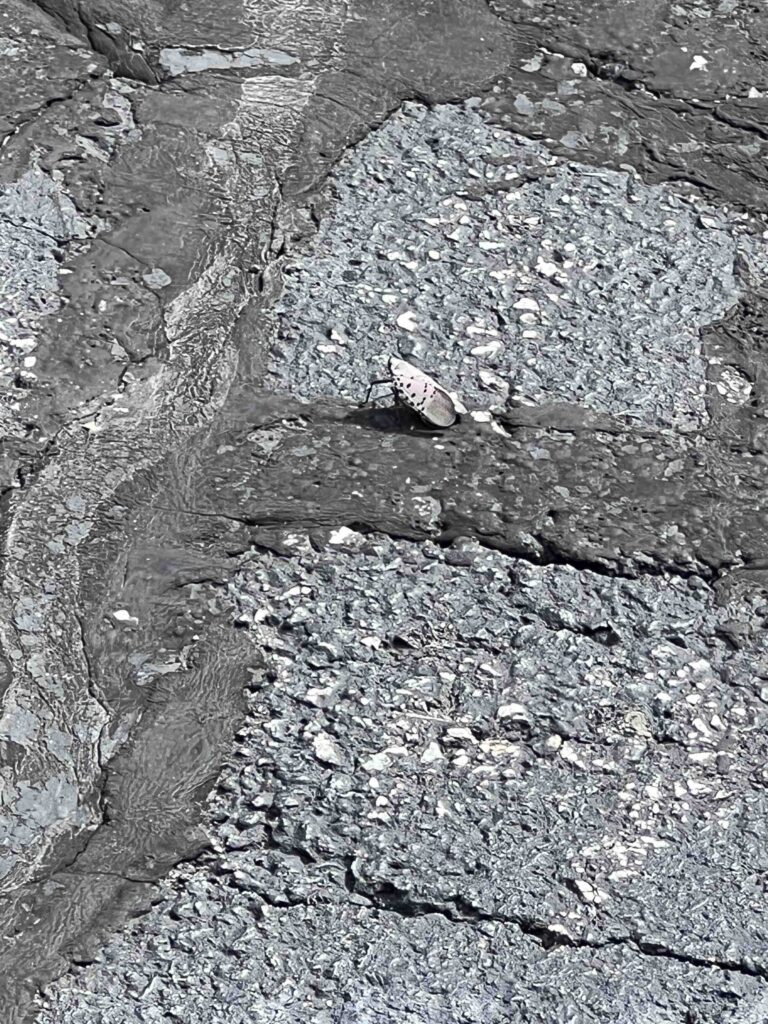
Recently spotted in Worcester the Spotted Lanternfly (Lycorma delicatula) is an invasive planthopper native to Asia. Recognizable by its gray wings with black spots and flashes of red when flying, it may look striking, but don’t be fooled — this insect is a serious threat to our environment.
The bug feeds on the sap of more than 70 plant species, including grapes, apples, and hardwood trees. As it feeds, it leaves behind a sticky residue called honeydew that promotes mold growth, further weakening plants and trees.
Why the Spotted Lanternfly Is a Serious Threat in Massachusetts
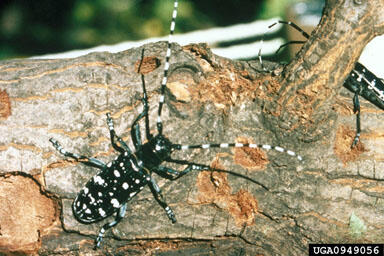
- First detected in Pennsylvania in 2014, the spotted lanternfly has been spreading quickly across the Northeast. For Worcester, its arrival is especially alarming. Our community is still recovering from the Asian longhorned beetle infestation that wiped out thousands of trees and permanently altered the character of our neighborhoods.
- Tree loss history: Worcester residents remember the quarantines, the removal of beloved maples and hardwoods, and the bare streetscapes left behind. The thought of another invasive pest undoing years of recovery is all too real.
- Agricultural impact: Beyond trees, the lanternfly poses a direct threat to Massachusetts vineyards, orchards, and even backyard fruit trees—jeopardizing both local farmers and home growers.
- Local spread: Worcester County is already identified by the Massachusetts Department of Agricultural Resources (MDAR) as a high-priority area for monitoring and response, meaning early action from residents is vital.
Public Health Connection?
While the spotted lanternfly itself doesn’t carry human diseases, Worcester has also recently reported cases of West Nile Virus, which is spread by mosquitoes. Though unrelated biologically, the overlap highlights how quickly invasive species and pests can disrupt both our environment and public health. Awareness and prevention go hand in hand.
What You Can Do: Report Sightings
The most powerful tool we have right now is community reporting. Submitting a sighting to MDAR takes less time than filling out a quick online survey — just five short questions and a photo upload.
Report a Spotted Lanternfly in Massachusetts (MDAR site)
Your report helps state officials track infestations and act before the pest spreads further. Think of it as your role in protecting Worcester’s trees, parks, and even our local agriculture.
Spotting the Lanternfly: Key Identifiers
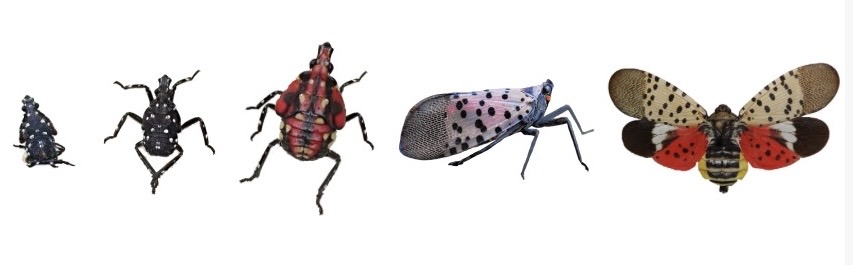
- Gray wings with black spots when resting.
- Bright red underwings visible when in flight.
- Egg masses that look like smeared mud on flat surfaces.
- Nymphs (young lanternflies) that appear black with white spots or later red and black with spots.

Why Reporting Matters for Worcester’s Future
Worcester has already faced one massive invasive pest crisis with the Asian longhorned beetle. The lessons from that fight are clear: early detection and public involvement are key. If we don’t act, the spotted lanternfly could cause irreversible damage to trees, landscapes, and agriculture across Central Massachusetts.
By reporting, you’re helping to:
- Protect Worcester’s tree canopy.
- Support local farmers and vineyards.
- Safeguard our neighborhoods from another wave of tree loss.
How to Report a Spotted Lanternfly in Worcester
Reporting a sighting is quick and simple. The Massachusetts Department of Agricultural Resources (MDAR) provides an online form where you can upload photos, describe what you saw, and share the location. You don’t need scientific knowledge—just basic details like size, color, or plant damage. Submitting takes less than a minute but makes a lasting difference in protecting Worcester’s environment.
3 Easy Steps:
- Take Photos – Snap 1–3 clear pictures of the insect, egg mass, or plant damage.
- Fill Out the Form – Add details such as size, color, location, and your contact info.
- Submit – Upload your photos, hit “Send Report,” and you’re done.
What Worcester Residents Should Do Next
The spotted lanternfly has reached Worcester—and ignoring it isn’t an option. Our city has already experienced the devastating loss of trees and green spaces from invasive pests like the Asian longhorned beetle. Acting quickly this time is critical.
Reporting a sighting to the Massachusetts Department of Agricultural Resources (MDAR) takes less than a minute, but it creates a lasting impact. Every report helps experts track, contain, and prevent the spread.
By working together, Worcester residents can protect our trees, safeguard local agriculture, and stop this destructive pest before it takes hold.